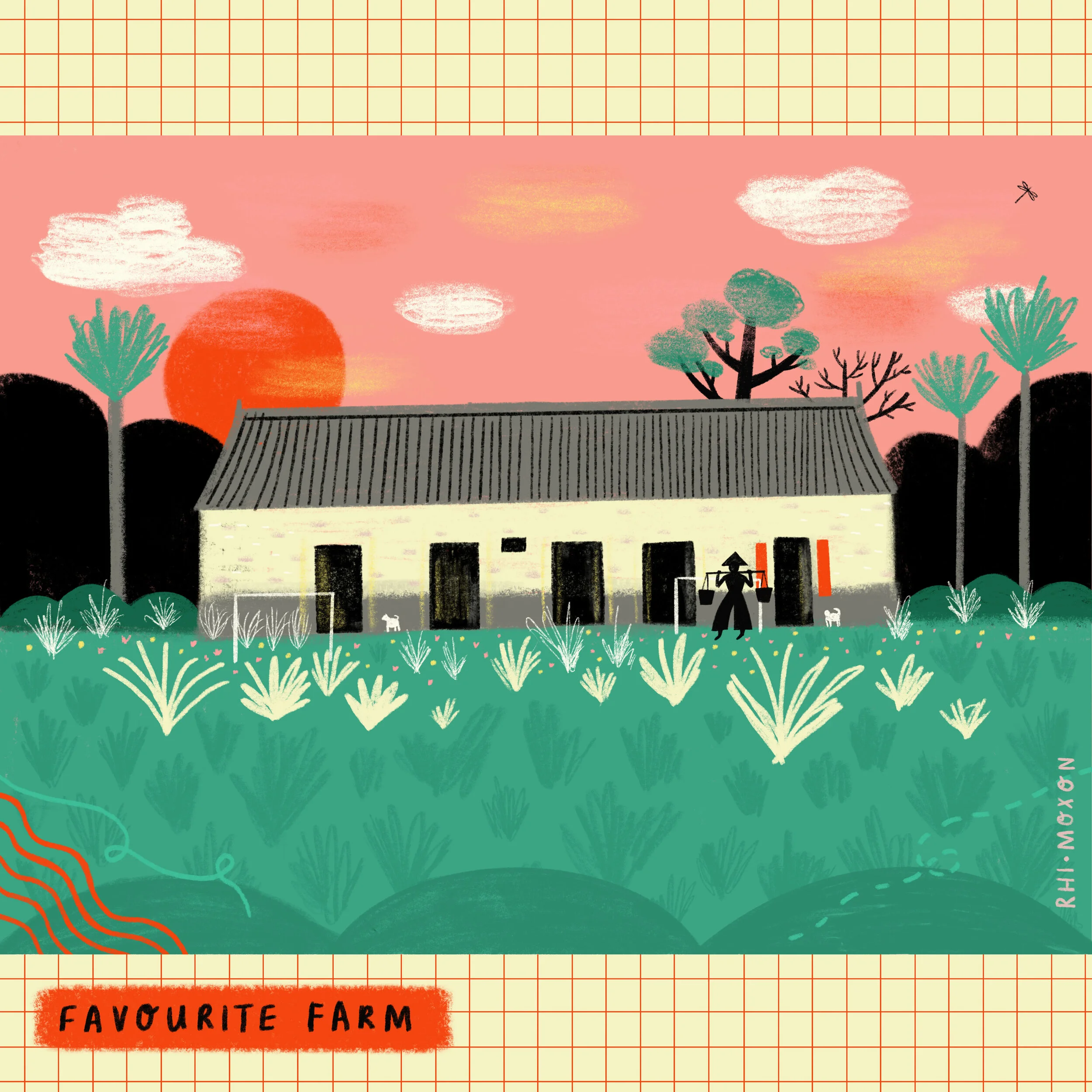
RESIDENCY DIARY Part 4: About Guanlan Printmaking Village
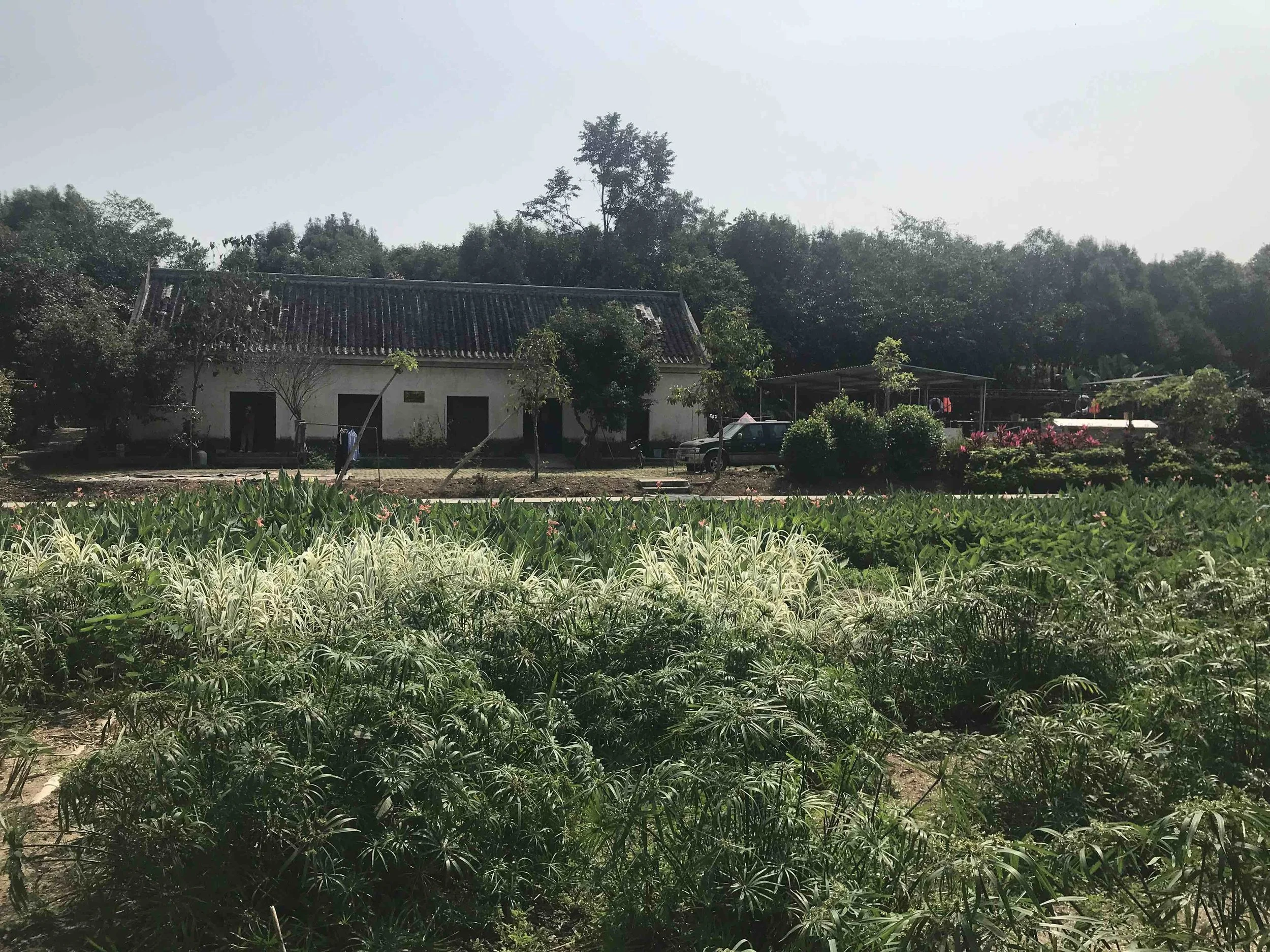
In this blog post I wanted to take a brief step back from the creative energy of my printmaking residency and paint the picture of the magical Guanlan Printmaking Village. It’s a pretty special place—not only in terms of natural beauty, but also in its history and its role as a sanctuary of both modern and traditional printmaking.
I first heard of Guanlan by chance in 2017, long before I’d even stepped foot in China, when I attended a printmaking talk and one of the speakers mentioned a short residency they were lucky enough to do in an ancient stone village somewhere in a city I’d never heard of, deep in the great unknown of the People’s Republic of China.

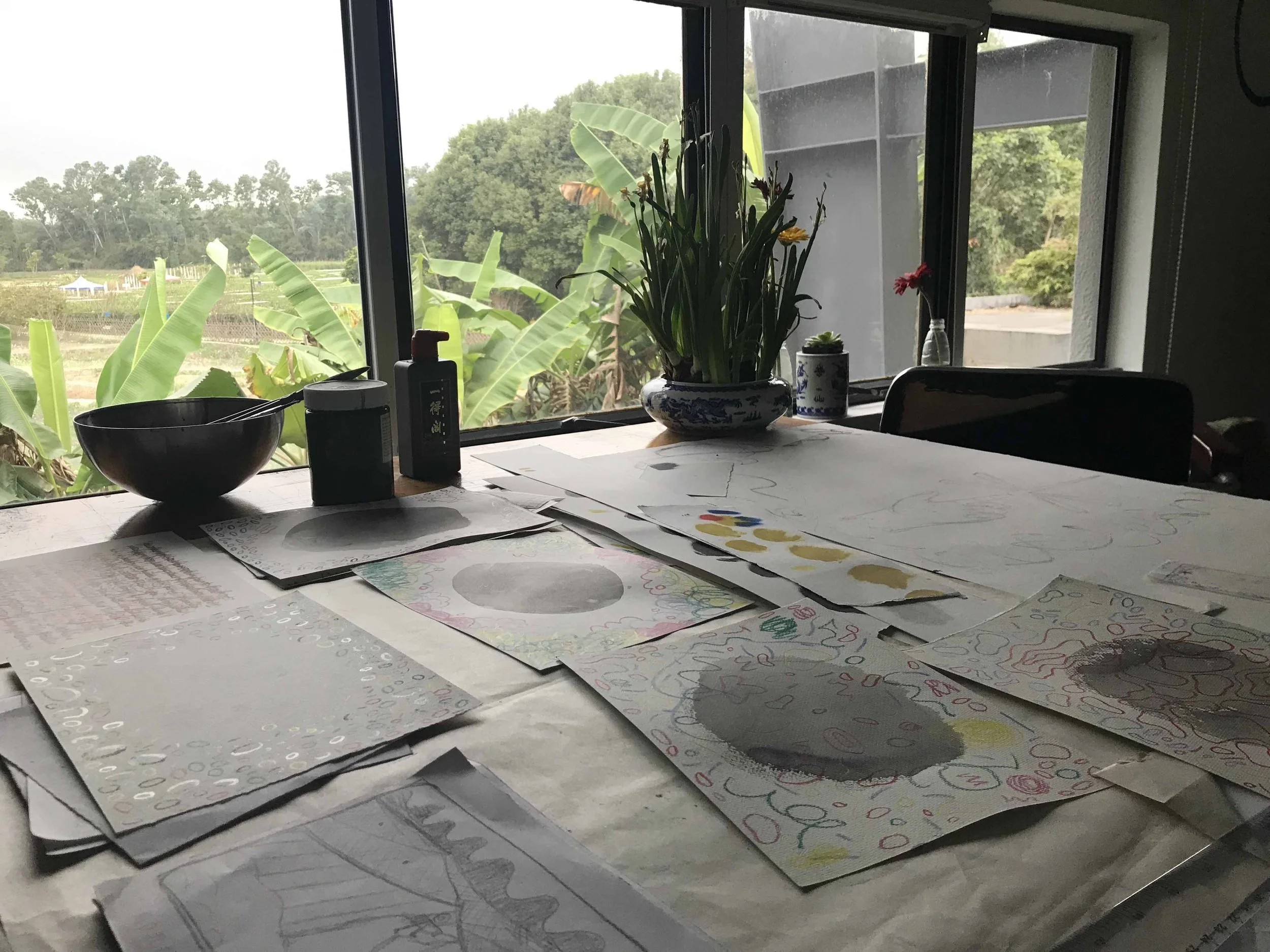
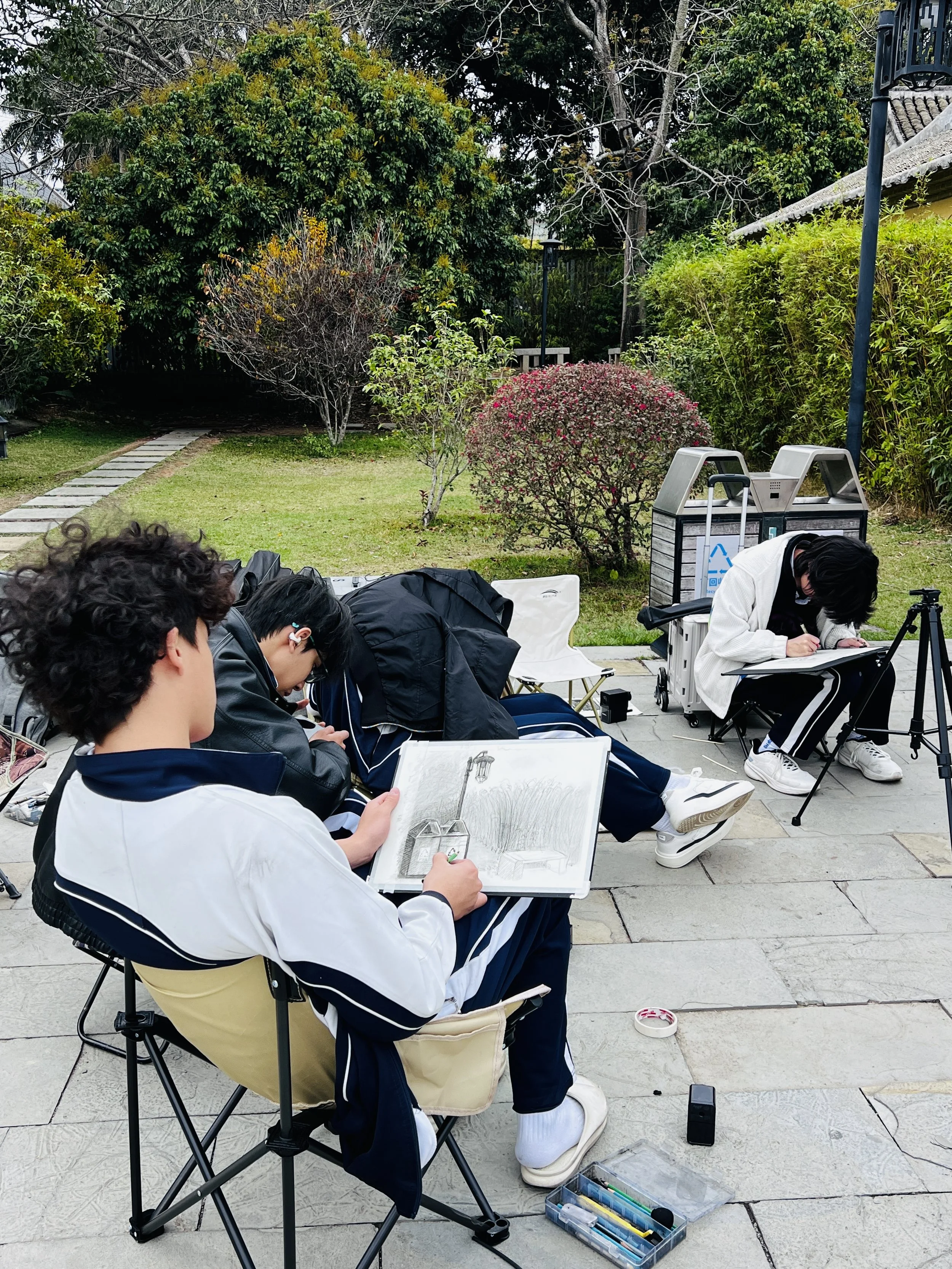
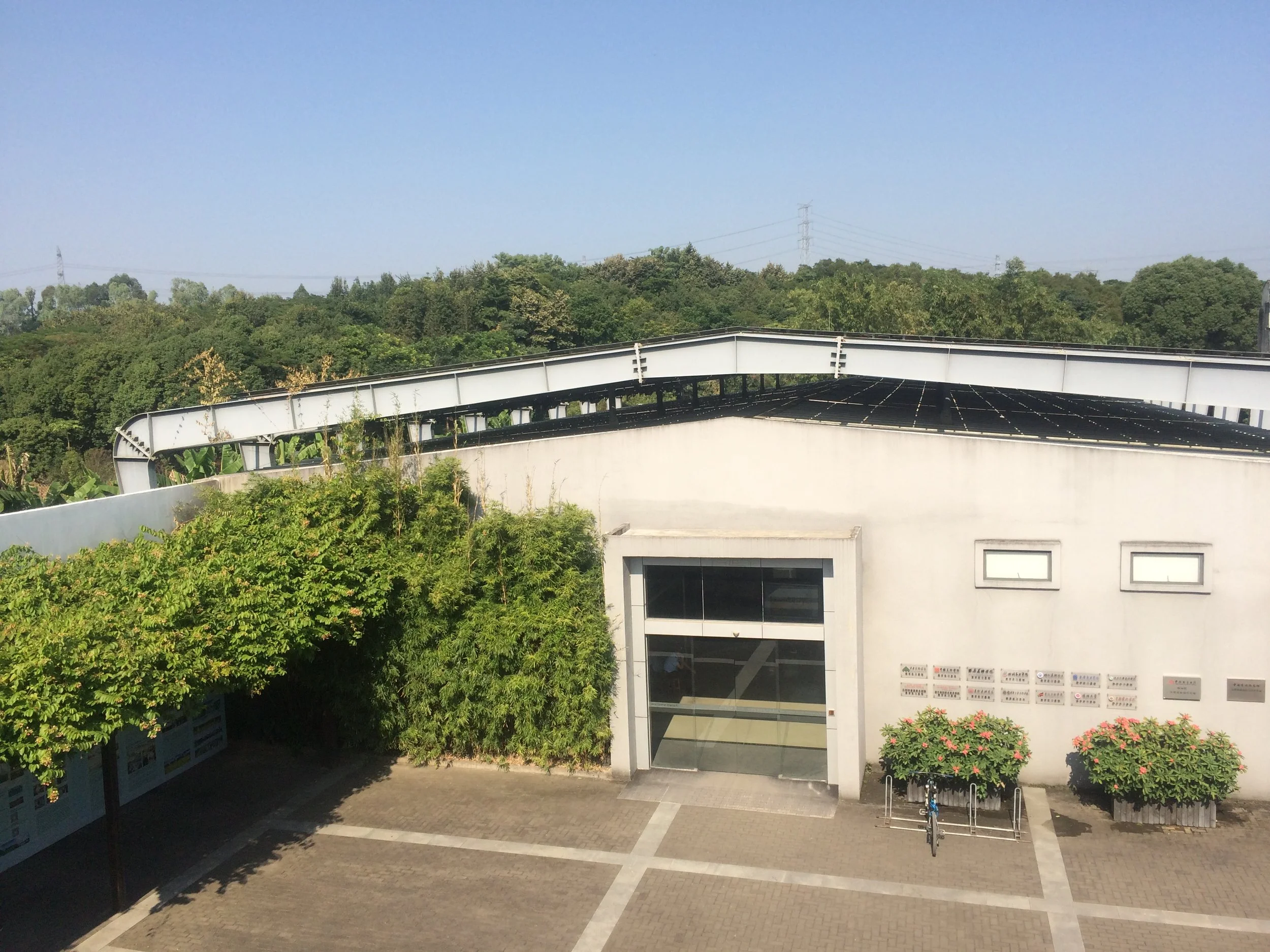
Well, as chance would have it, fast forward six months and my partner Liam had just accepted a teaching job at a Chinese primary school, and I—always a fan of adventure and not afraid to leap into the unknown—was heading out to join him. I remembered the name of this mysterious printmaking place that I’d scribbled down in an old notebook, so I dusted it off and tracked it down. How hard can it be, I thought, to find this place, especially since it’s in the same city Liam and I were moving to! Well. Turns out… Shenzhen is gigantic. A megacity. And Guanlan Printmaking Village is nestled right at the city’s edge, where urban sprawl spills briefly into fields and farms before reaching the suburbs and factories of neighbouring Dongguan. The Pearl River Delta is one megacity bleeding into another—so truly rural spots are rare. And Guanlan is just that.
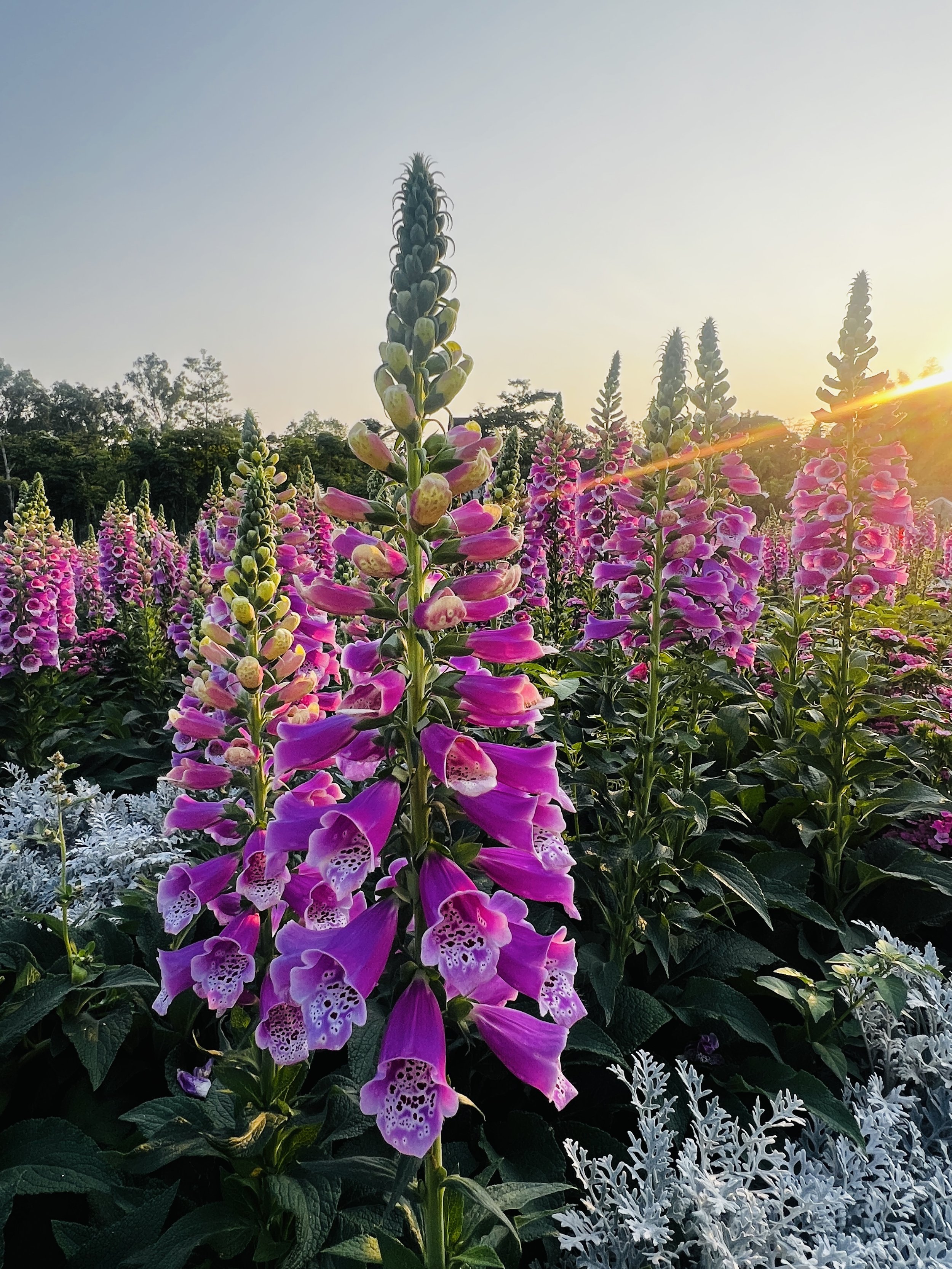
Back then, you had to ride the metro to the very end of the line, then take a tram, two buses, and finally embark on a 40-minute walk to reach the elusive village. These days, thanks to Shenzhen’s ever-expanding metro system, it’s much easier: a smooth ride to the outskirts, then a stroll up the hill, past flower-filled suburbs, an international golf course, and the scent of rosewood factories, until you finally, finally reach the sanctuary that is Guanlan.
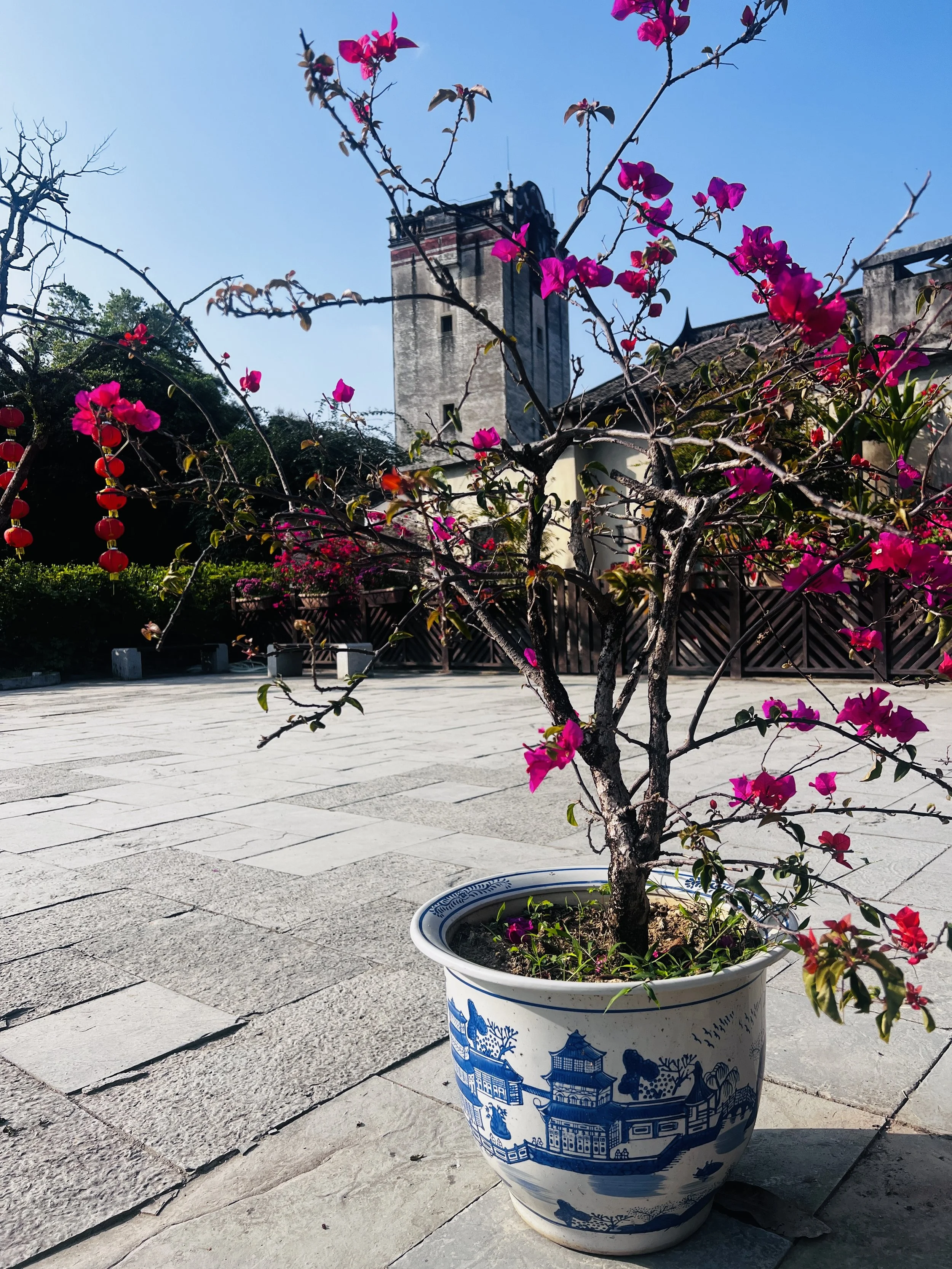
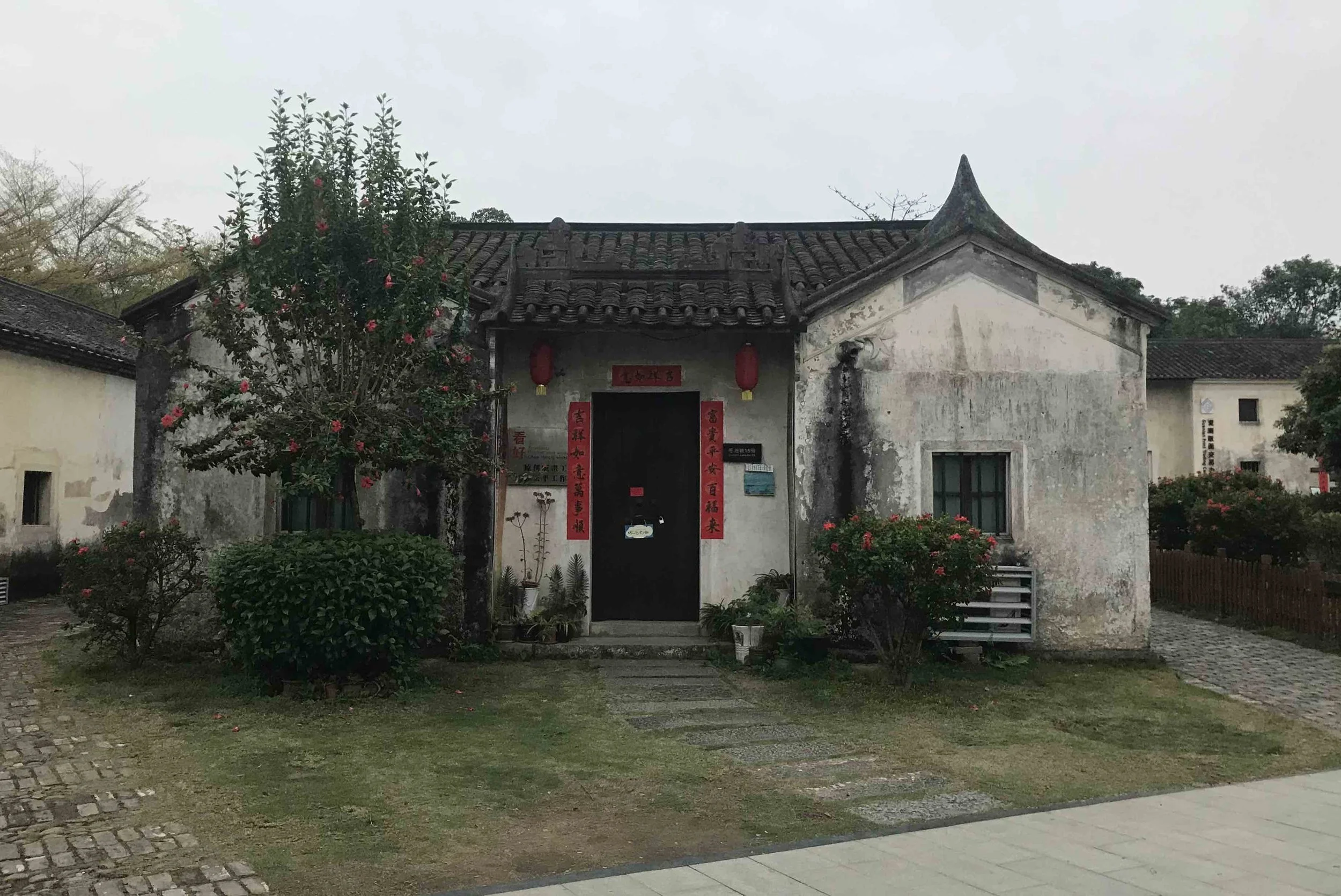
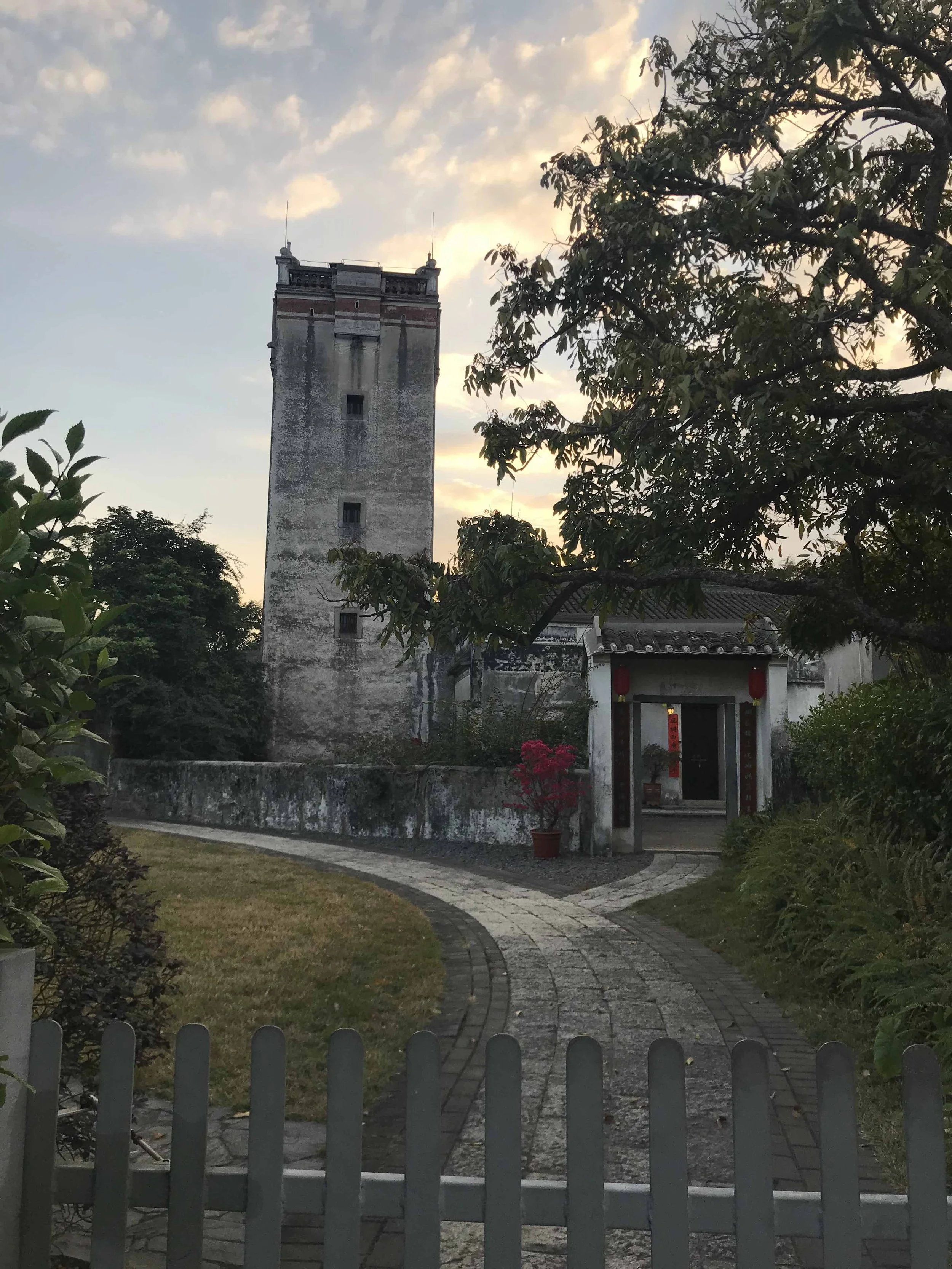
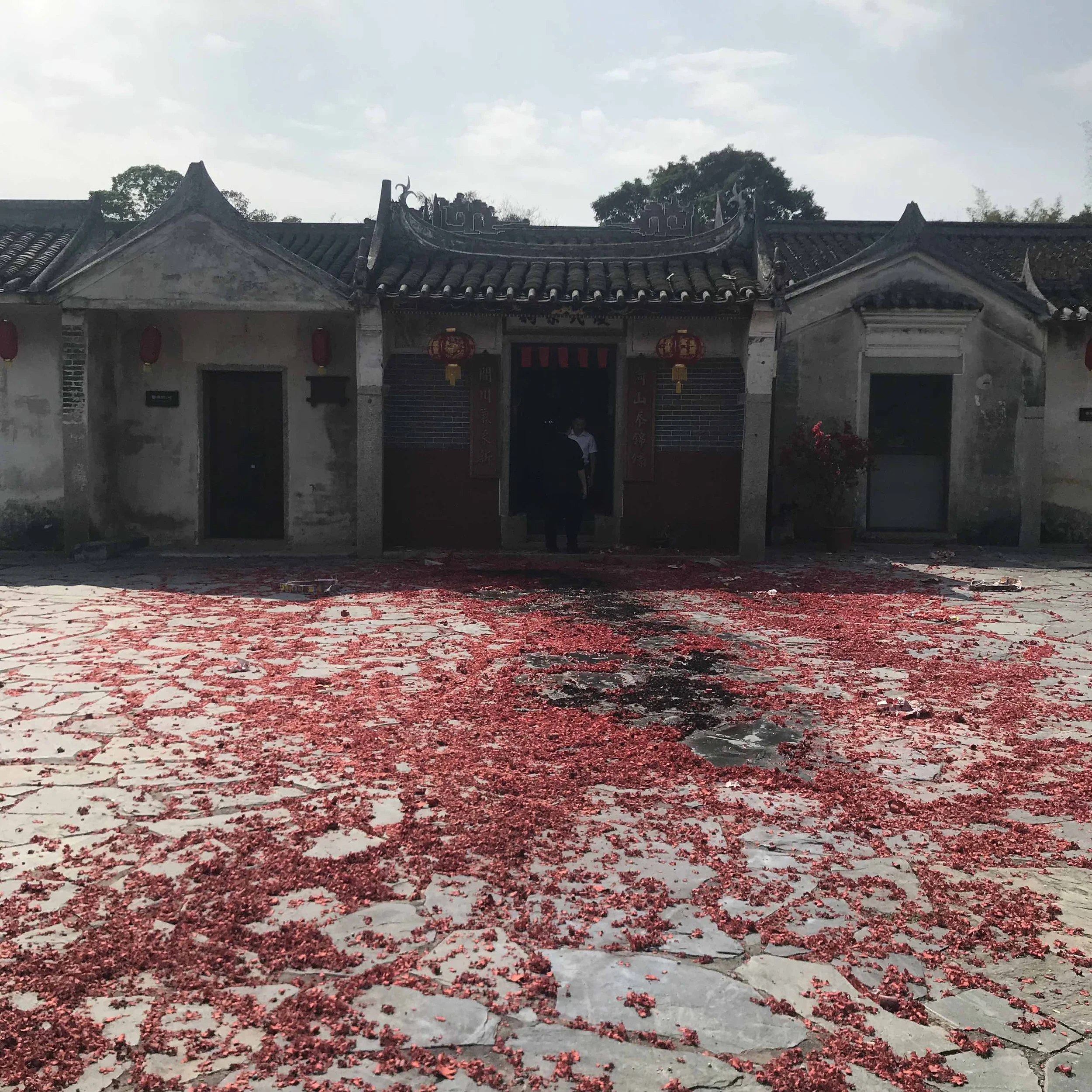
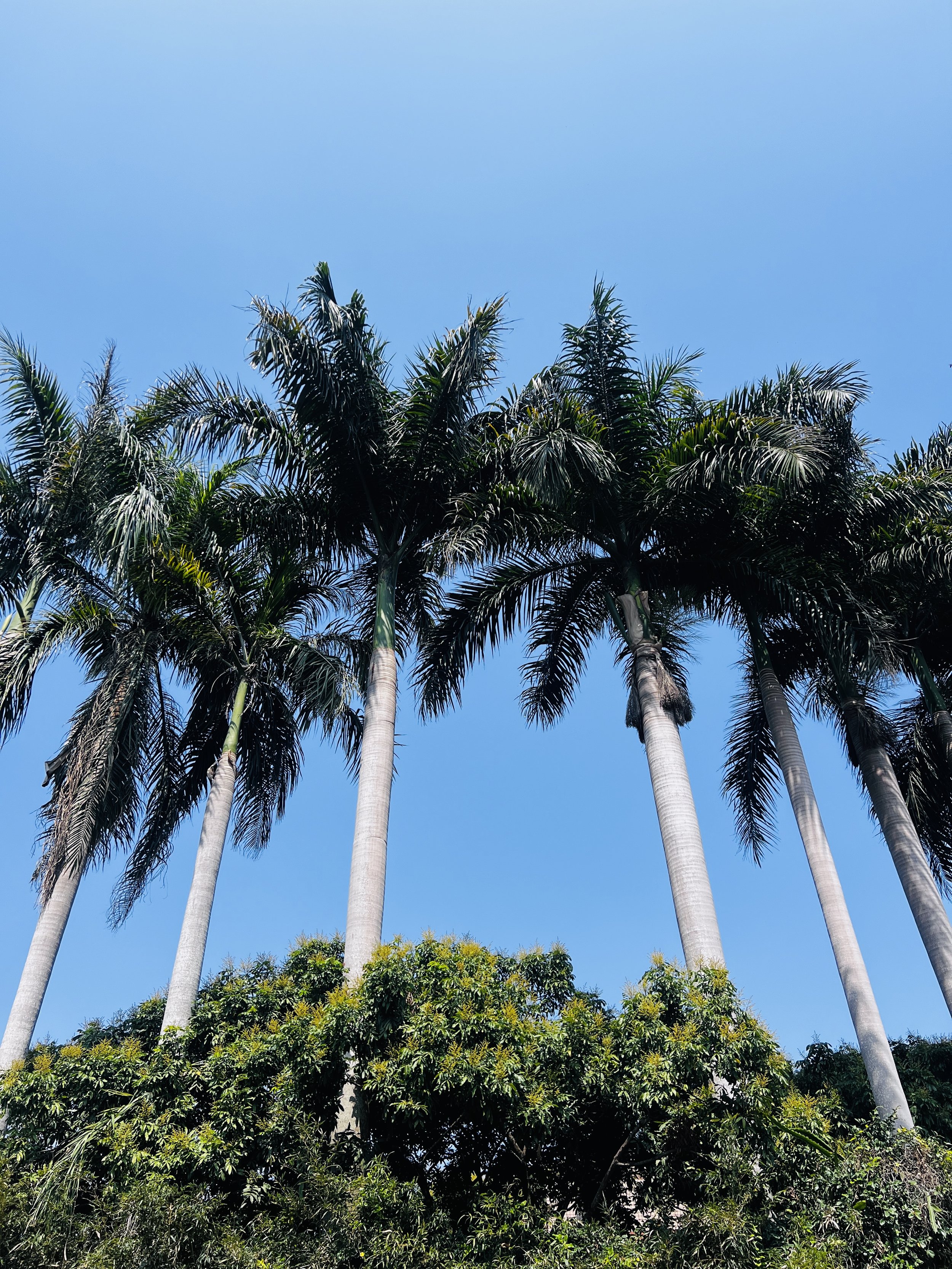
As you approach, you’re greeted by towering palm trees and traditional lanterns swinging from stone archways, a striking reminder that, despite Shenzhen’s futuristic skyline, you don’t have to venture far to encounter echoes of ancient China. Guanlan is, as its name suggests, a village—a Hakka village to be precise—made up of ancient stone houses dating back hundreds of years. What, you may ask, does Hakka mean? The Hakka are a Han Chinese ethnic subgroup known for living in hilly, marginal lands across southern China. Ironically, their name translates to “guest people,” even though many were here long before modern developments arrived.
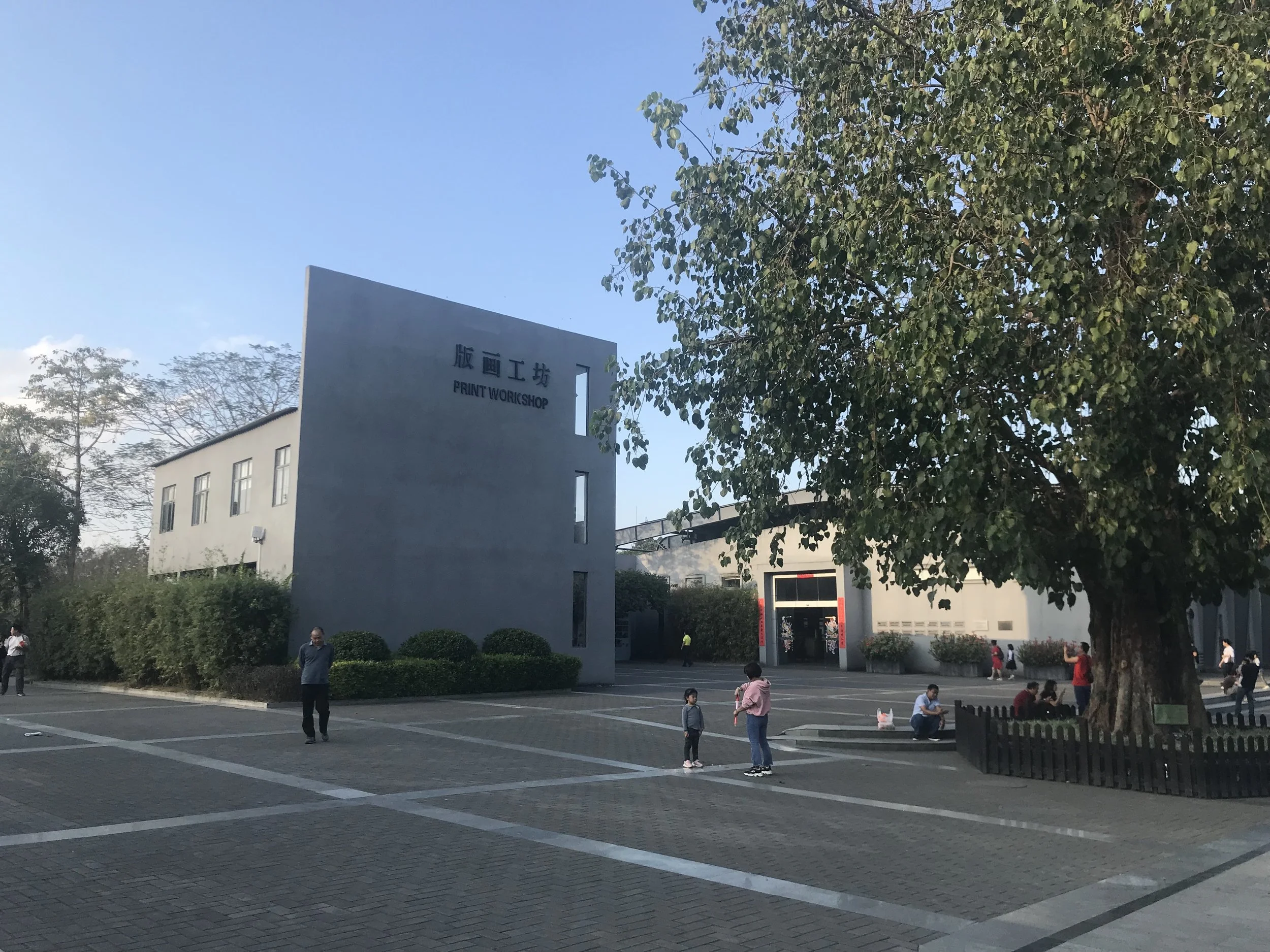
Originally known as Dashuitian Village, this place was once under threat of demolition, as Shenzhen’s suburbs rapidly expanded. But instead of erasing it, the area was recognised for its cultural significance and preserved as a site of intangible cultural heritage. This was partly thanks to the village’s connection to the esteemed printmaker Chen Yanqiao (1911–1970), a pioneer of contemporary Chinese printmaking, who lived here before it became a printmaking base. Since its official opening as the Guanlan Original Printmaking Base in 2008, many of the stone Hakka houses have been sensitively restored and repurposed into printmaking studios, exhibition halls, and creative spaces.

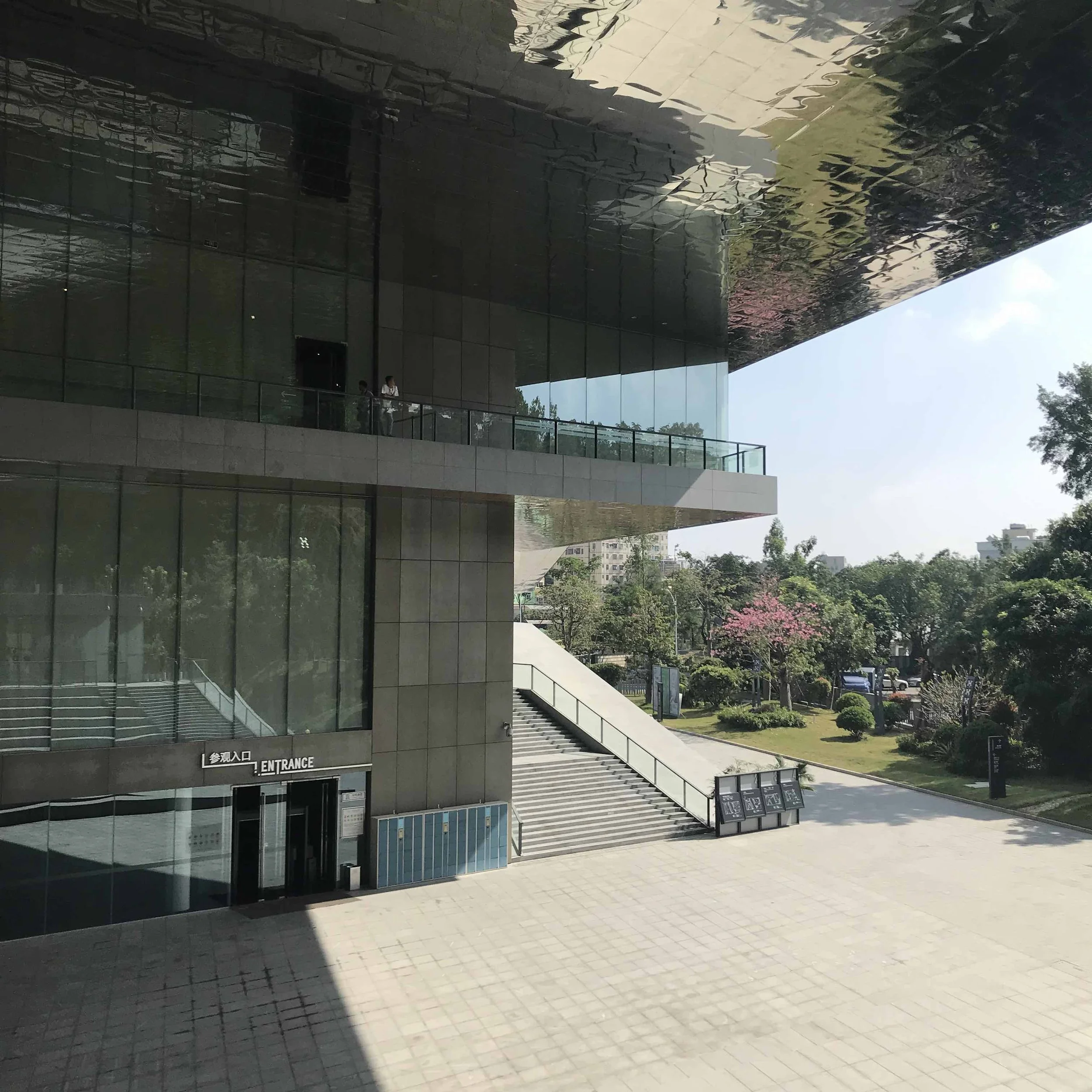
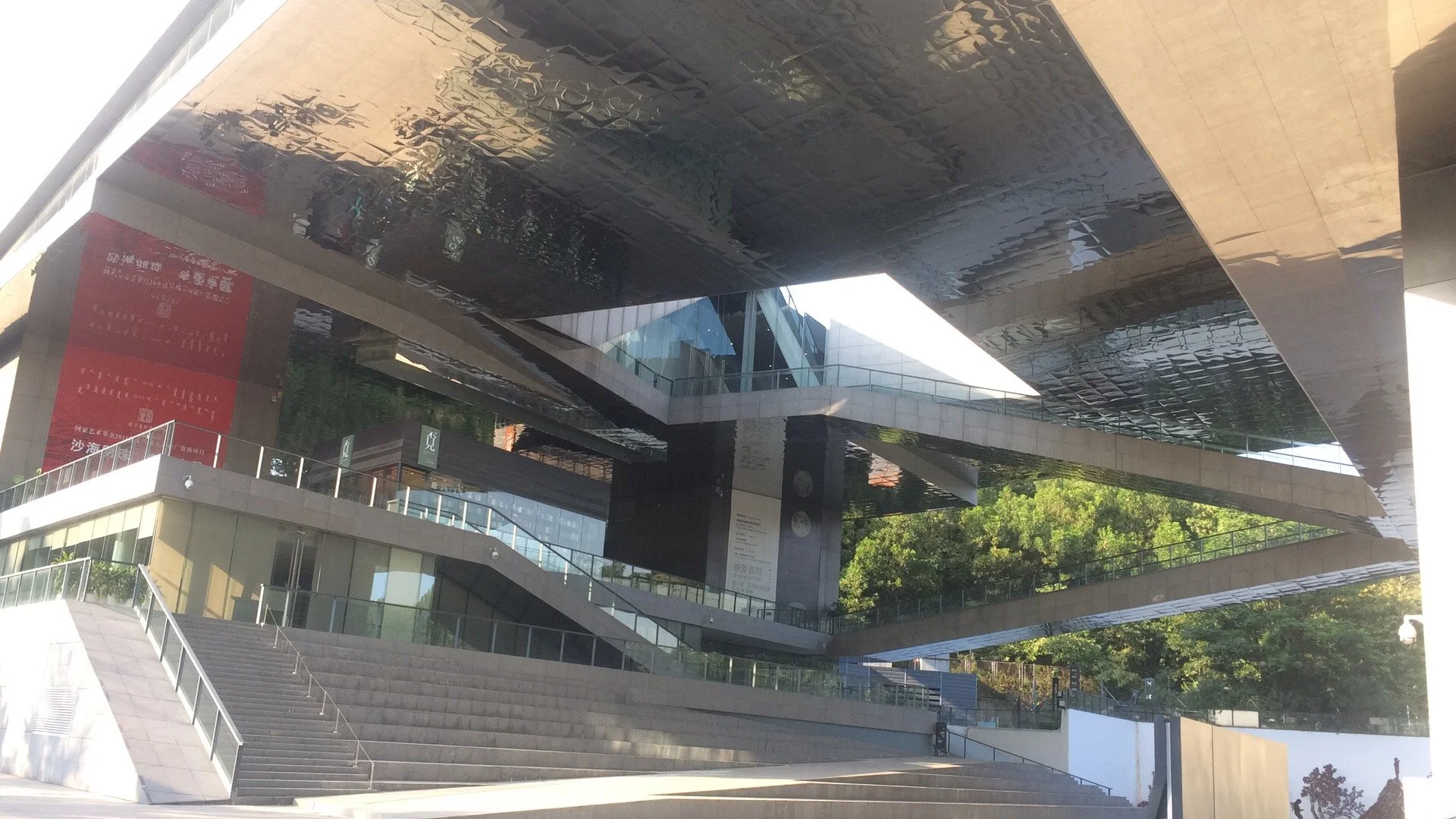
One of the most impressive neighbouring landmarks is the state-of-the-art China Printmaking Museum, just a short walk from the village entrance. It houses one of the world’s finest collections of prints, from Andy Warhol to Picasso, as well as showcasing the best of Chinese masters. The museum curates an ambitious programme of exhibitions, and also hosts the prestigious Guanlan International Print Biennial, which draws submissions from leading printmakers around the globe.
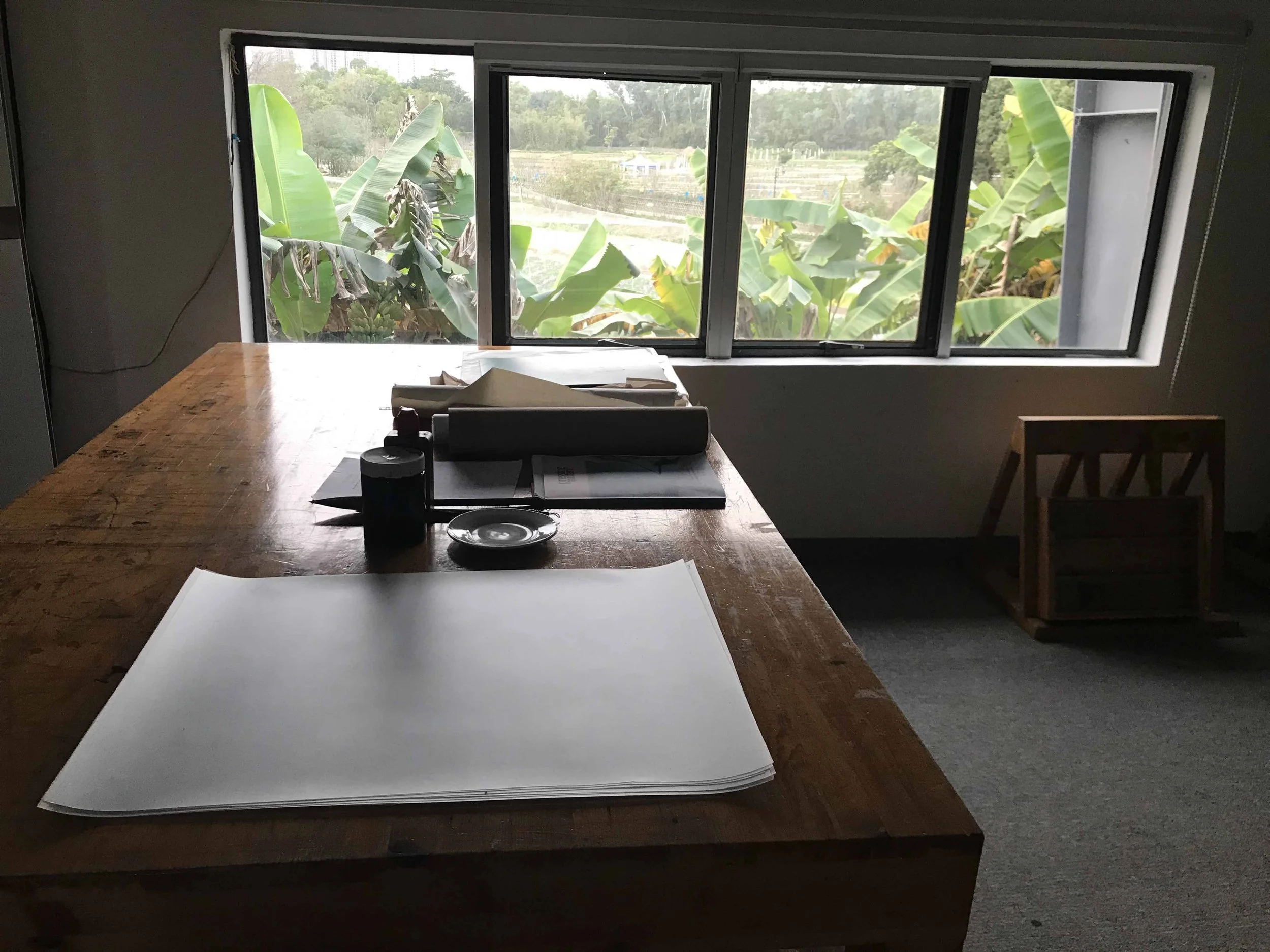
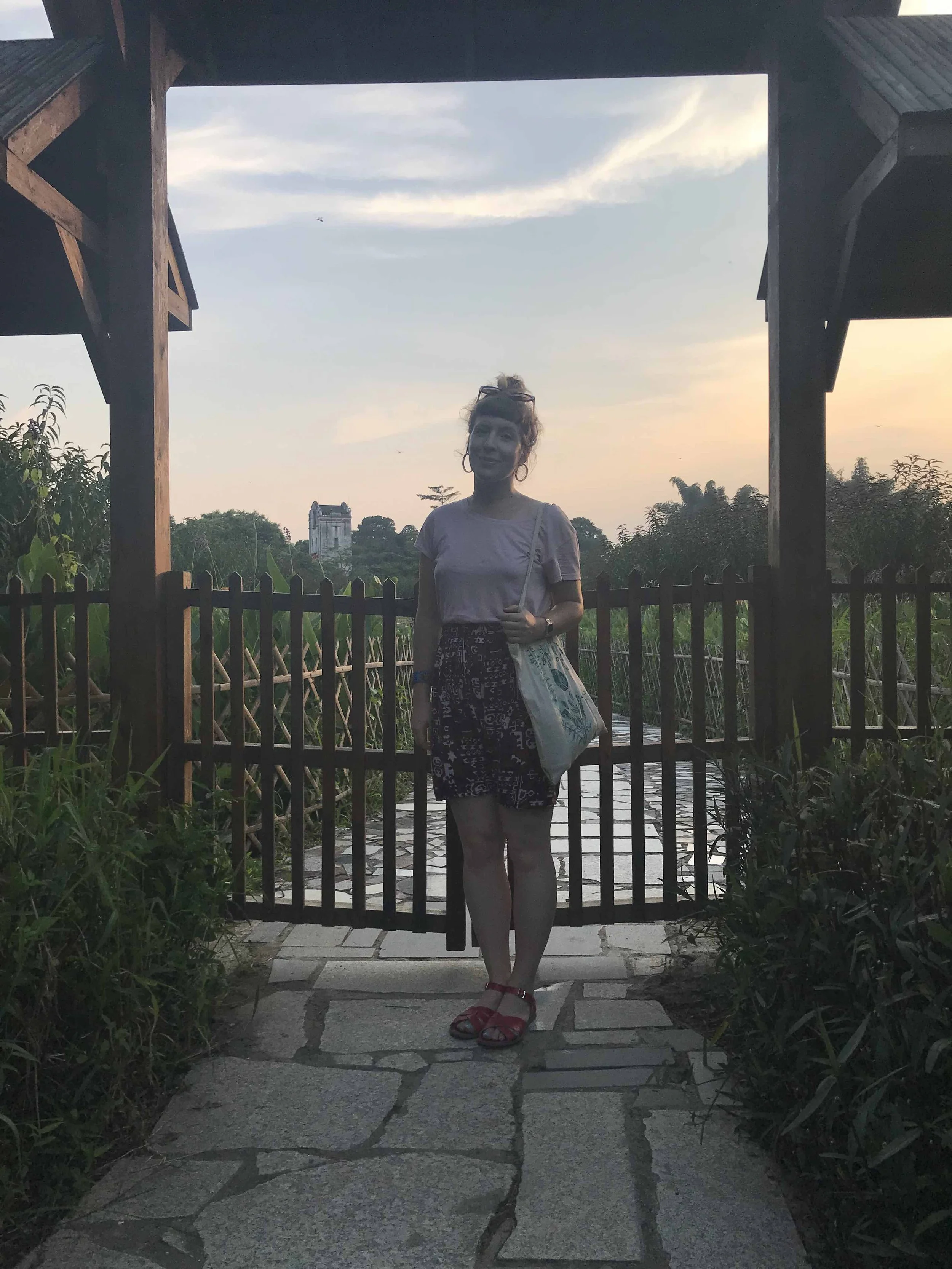
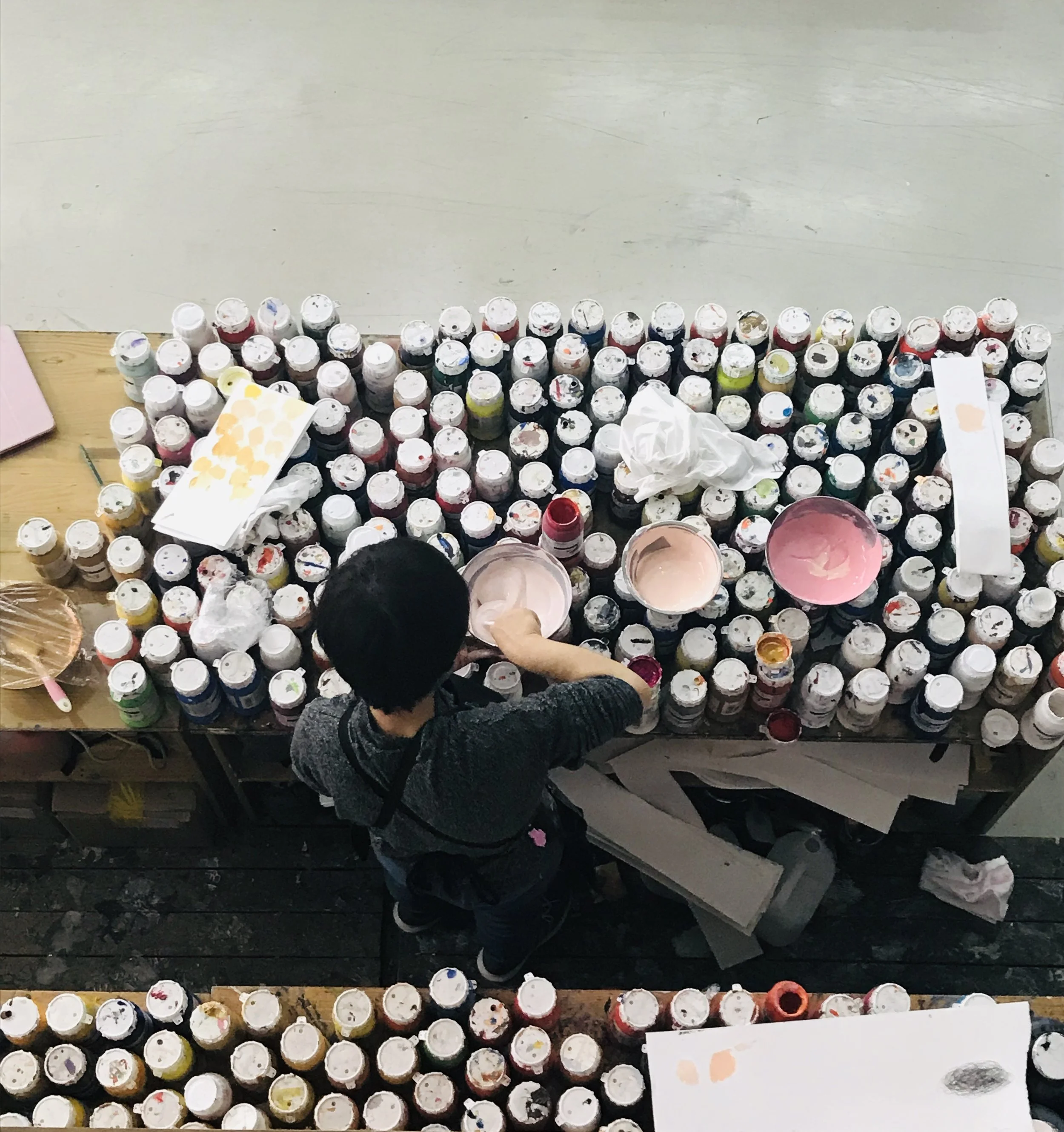
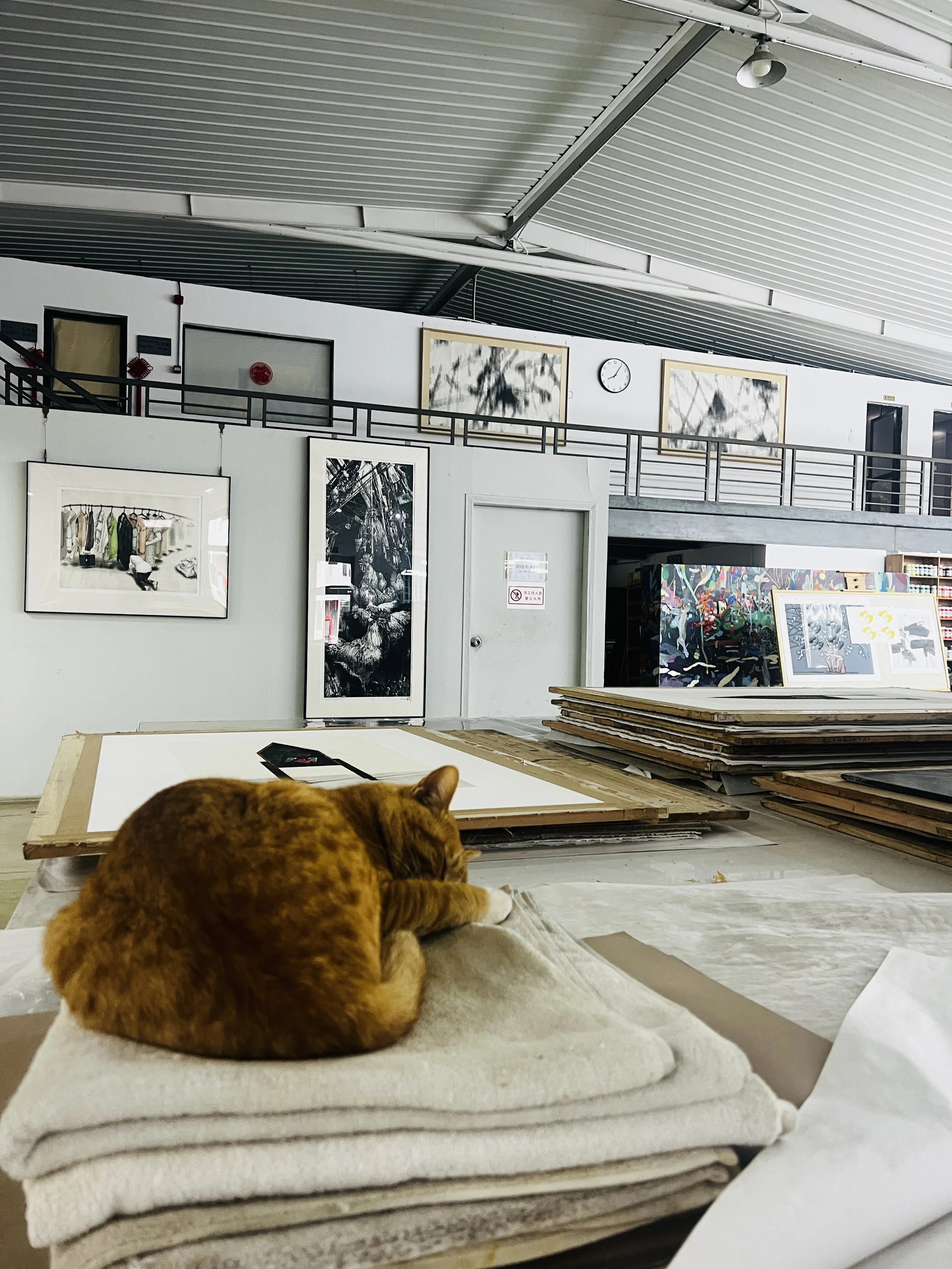
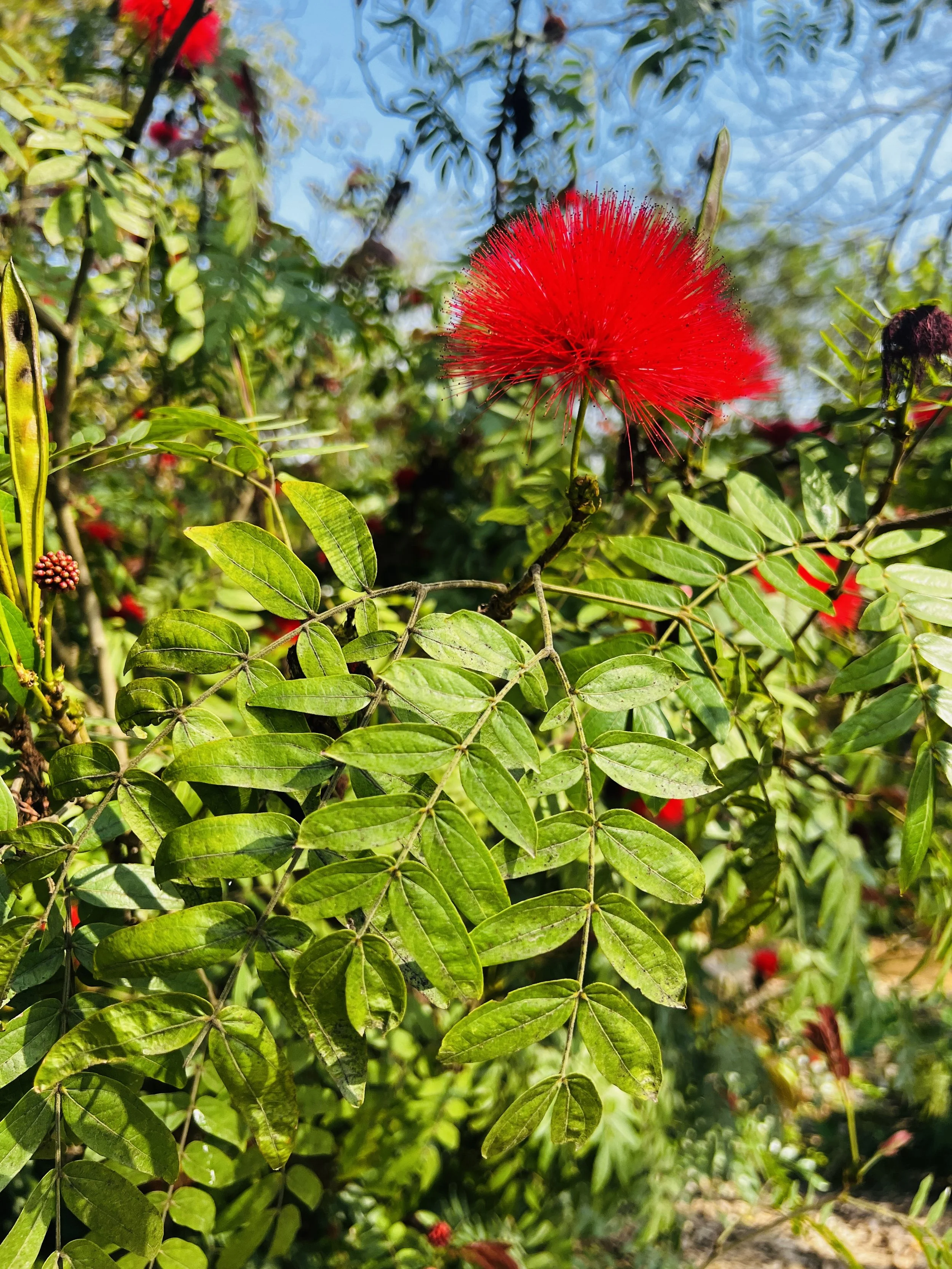
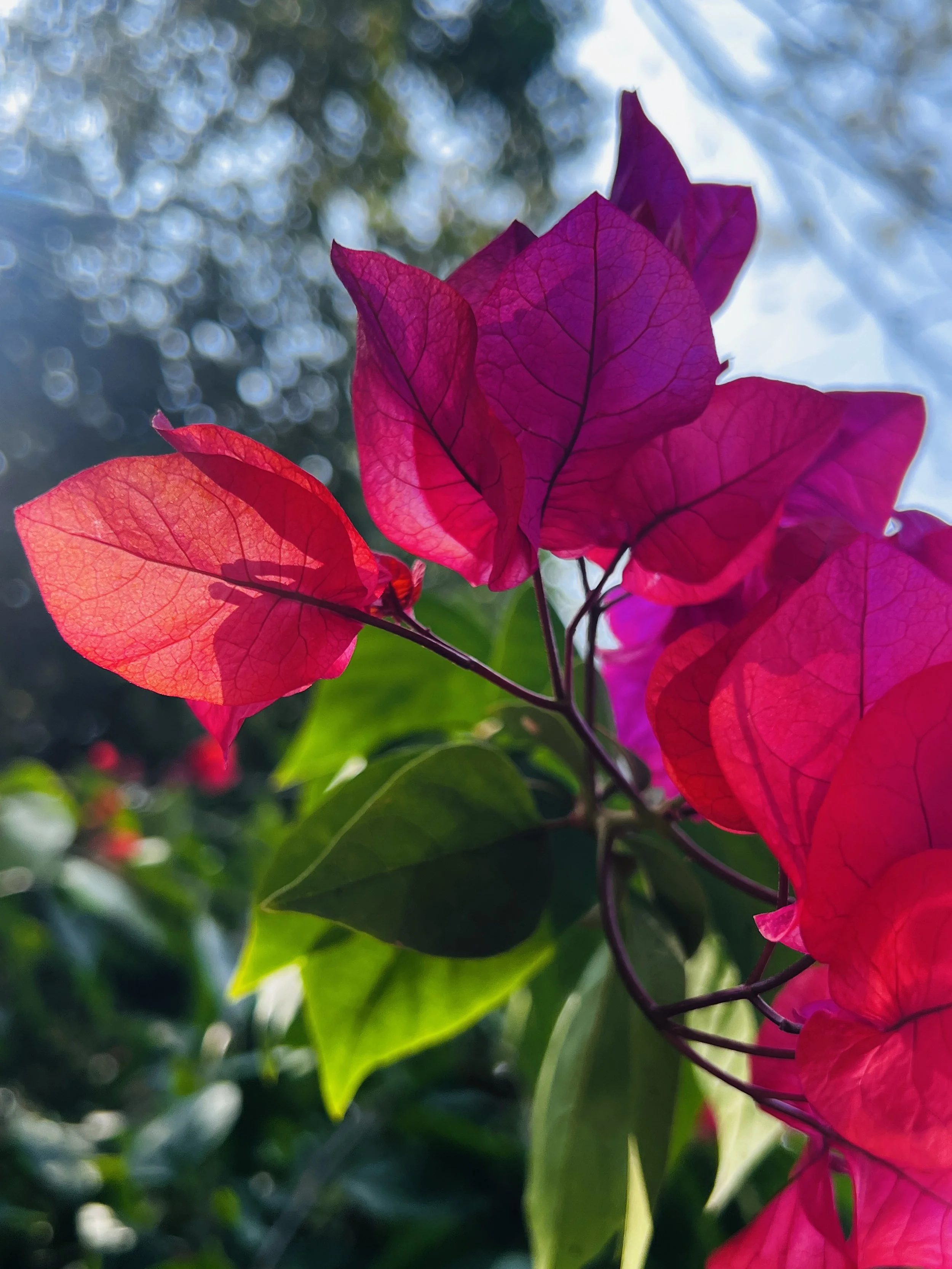
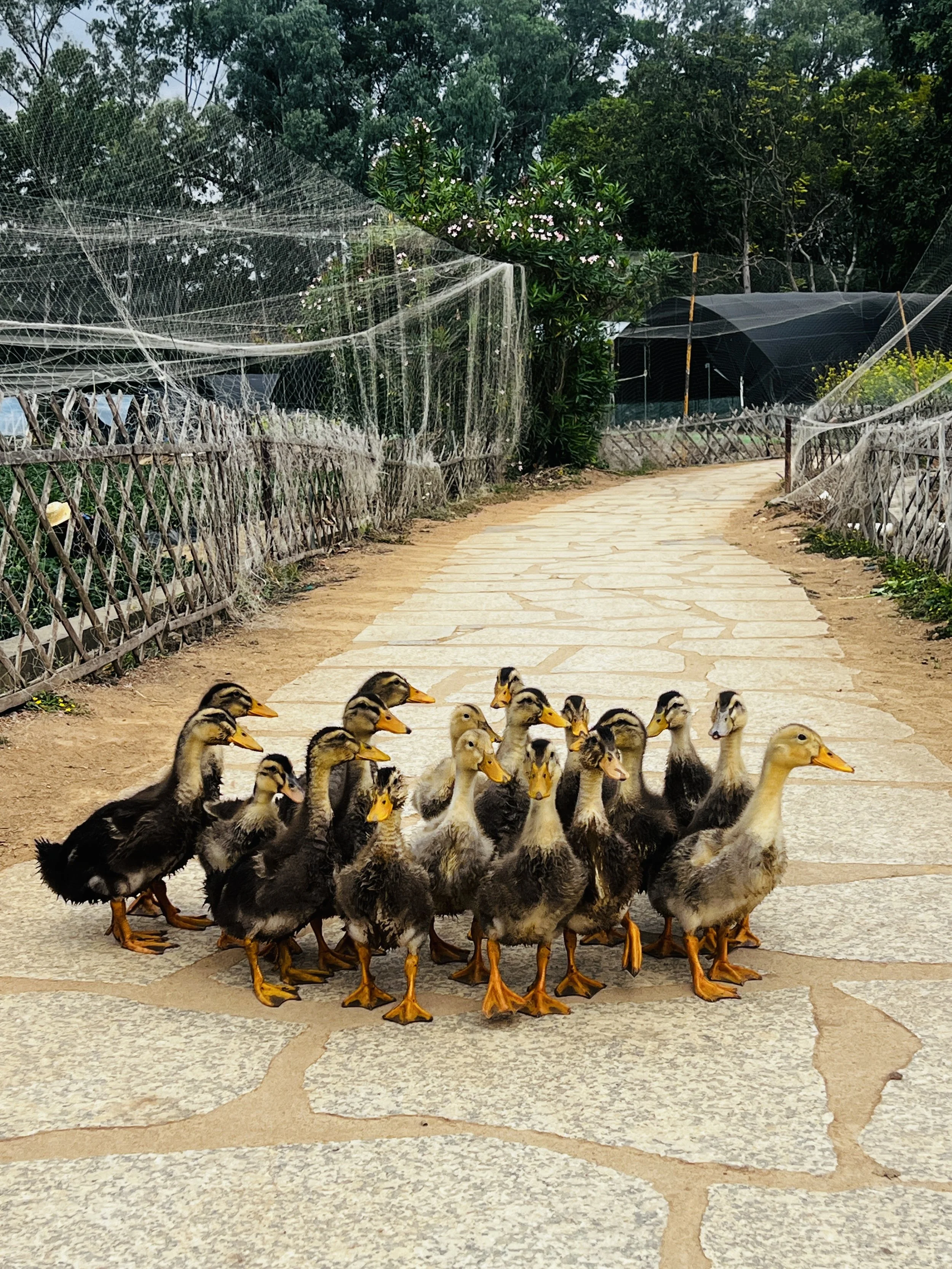
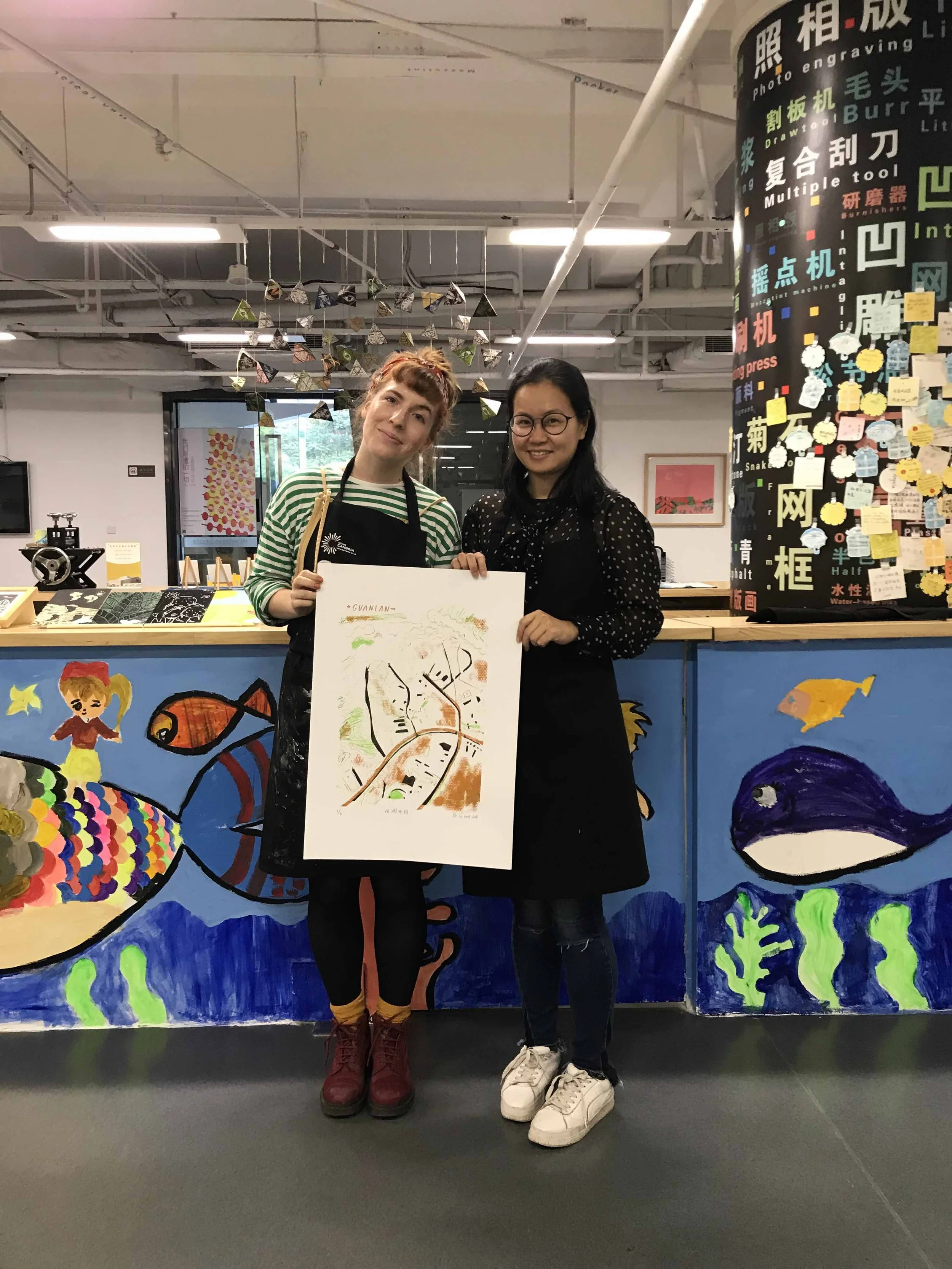
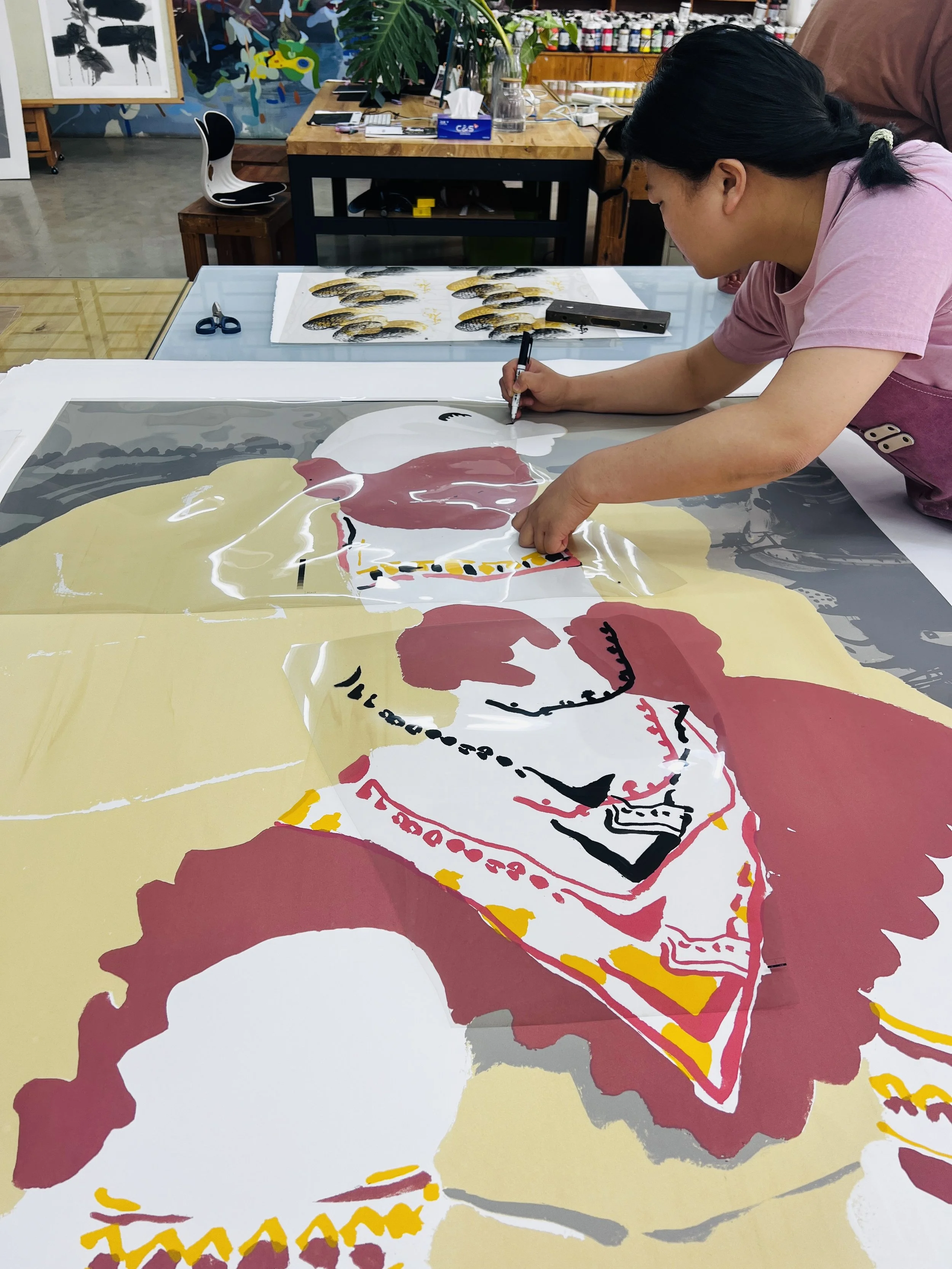
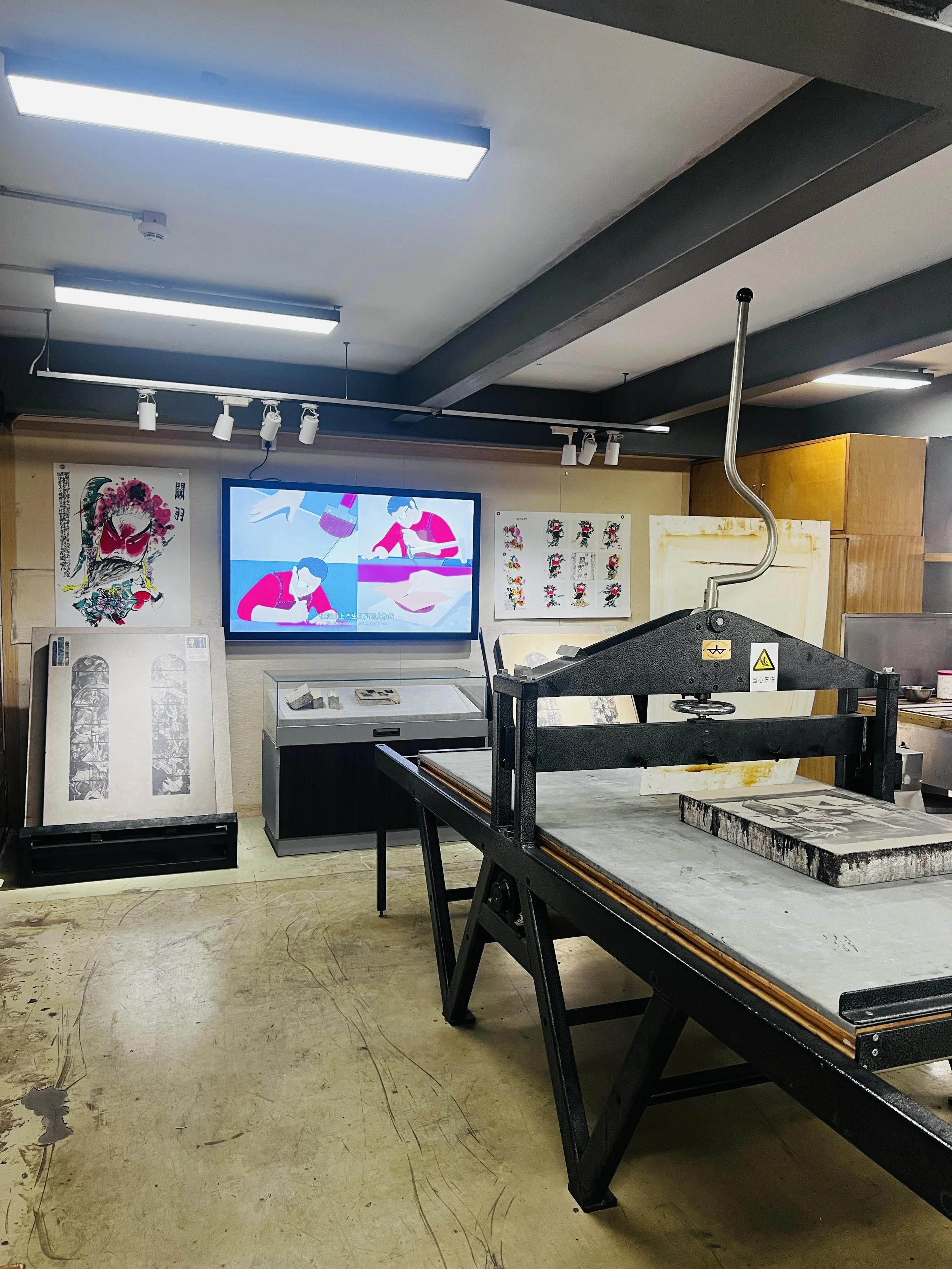
The printmaking village is also open to the public. Visitors can wander freely through the cobbled lanes and explore the flower displays, pick strawberries in the surrounding fields, and soak in the tropical greenery. Now, there are two world-class printmaking workshops in operation. The first lies at the entrance of the village and is open to the public, who can observe master printers editioning works throughout the year. The second studio is tucked away at the far end of the village, past the palm groves and the old water tower. It sits alongside the newly opened artist accommodation, which hosts international residents year-round. This second workshop is a 24-hour sanctuary for serious printmakers—a beautifully equipped space supported by expert technicians in screenprinting, lithography, intaglio, and relief.
The set-up is a dream for artists, offering the kind of peaceful, focused energy that’s hard to come by elsewhere.